
Prefer audio? Listen anywhere
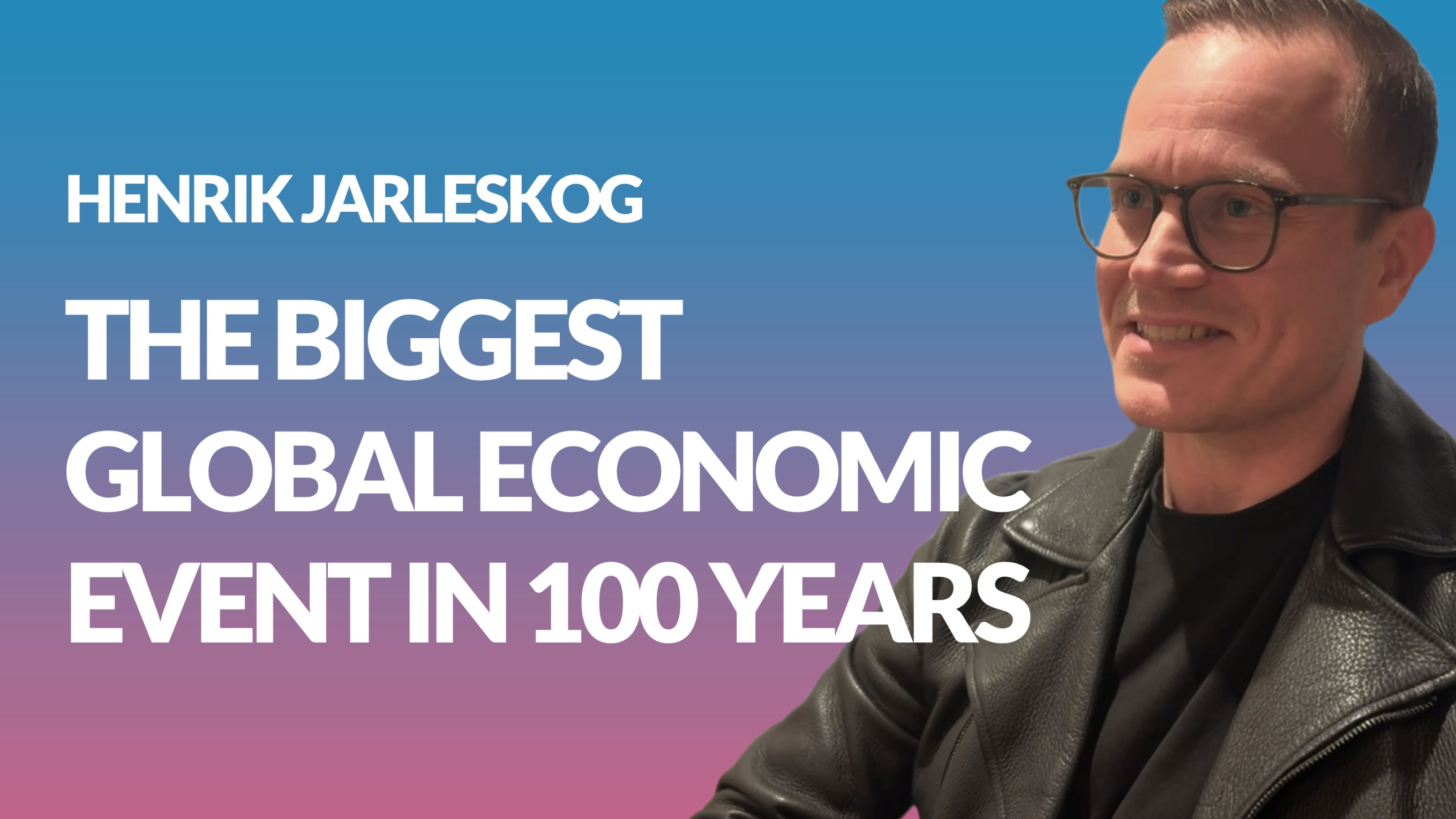
In this episode of The Execution Revolution, we explore the critical gap between strategy formulation and execution with Henrik Jarleskog, a global strategy leader for an organization of 340 000 employees, at the forefront of reimagining the workplace.
Henrik shares his insights on driving large-scale transformation within Sodexo, the world's 19th largest employer, and how they've navigated disruptions like the pandemic, energy crisis, and inflation.
Key takeaways:
- The importance of clarity and purpose in leading organizational change
- Connecting global and regional strategies for cohesive execution
- Embracing technology to enhance productivity and creativity
- Overcoming analysis paralysis and getting strategic planning right
- The power of intentionality and purpose in driving motivation
Connect:
Follow The Execution Revolution:
This episode is a must-listen for leaders and change agents seeking to bridge the gap between strategy and execution.
Subscribe to The Execution Revolution on your favorite podcast platform to stay updated on new episodes.
Share this episode with leaders and professionals interested in strategy execution and organizational change.
Read the full transcript
The Execution Revolution with Henrik Jarleskog
Welcome to what is fundamentally an experiment. The experiment is this: The last decade I�ve dedicated my life to the pursuit of excellence in the field of strategy execution, guiding CEOs and their organizations to achieve their most ambitious goals. This deceade culminated in my book The Execution Revolution. All of this comes in the context of a deceade that has brought more change and disruption than ever before in the human history. And the thing is; I don�t think most people ever visualize the disruptions ahead. I�ve got at least 30 years still left to go in my career � what will that future of work look like? What does leaders needs as tool to successfully carry them through all of this change? Giving that blueprint was the idea of the book, because only the leaders and the companies that can successfully execute change will thrive in this new world we inhabit.
So the experiment is seeing the value that would come out of conversations with other senior leaders on this topic. Ultimately, you, the audience, will be the judge of if this is a one off interview or a long standing podcast.
To kick things off, I have the pleasure of welcoming Henrik Jarleskog. We first met at my book launch a few weeks ago and for me he clearly stood out in the audience based on the quality of questions he asked. Enough so that we booked a lunch a week later and today we are here. Henrik is in a really interesting industry, truly seeing first hand both the disruptions we�ve been through, but also is undergoing a fundamental transformation as a concequence. Henrik, why don�t you introduce yourself and please tell me about the idea of �future of work� from your perspective.
Johan: Welcome to The Execution Revolution, the podcast where we help leaders and organizations turn their strategies into results. I'm your host, Johan Gr�nstedt, author of the book The Execution Revolution. I've spent the last decade guiding CEOs and their teams to achieve their most ambitious goals. Now, I'm bringing those insights to you.
Guest Introduction Today, we have the privilege of welcoming Henrik Jarleskog, a true champion of change and innovation. Henrik's career is a testament to the power of strategic leadership. From his early days as a management consultant at EY, where he spearheaded global workplace transformations, to his current role as Head of Future of Work at Sodexo, Henrik has consistently delivered exceptional results.
He's not just a thought leader; he's a doer. He's led strategic transformations across 16 European countries, driving growth and innovation at a scale few can match. He's also a passionate advocate for creating people-centered workplaces that prioritize employee well-being and engagement.
Henrik, welcome to the show!
I'm excited to dive into your insights today. We'll be discussing your journey, the lessons you've learned, and the strategies you've used to achieve success. We'll also explore how CEOs can navigate the challenges and opportunities of today's business landscape, turning their strategies into tangible results.
Questions for Henrik Jarleskog:
Theme 1: What is the Future of Work and Why it Matters * You're clearly passionate about the future of work. What does that mean specifically, and why does it matter so much to you? * In any large transformation, it typically starts with something less clear - a need, a realization. What was that initial spark behind what is now "The Future of Work" initiative that you are driving? * Can you share the most difficult decision you had to make when adapting Sodexo's services to a hybrid work environment, and how you approached it? * Since being tasked by Sodexo's CEO to "shape the future of work," how did you translate that ambitious vision into concrete actions? * What role do you see technology playing in shaping the future of work, and how do you see it evolving in the coming years?
Theme 2: Driving Large-Scale Change and Leader Behaviors * You've led large-scale change initiatives across 16 European countries. How would you describe your leadership style when it comes to driving such transformations, and what specific tactics have you found effective in bringing your team on board? * Can you share a specific example of a change initiative that didn't go as planned, and what you learned from it? * What advice would you give to leaders in similar roles who are facing resistance to change? * I often see companies struggle with strategic planning, treating it as someone else's problem rather than a collaborative effort. How have you involved your team in the strategic planning process for "The Future of Work" initiative?
Theme 3: Employee-Level Change and Behavior Resistance * In my book, I talk about the common pitfall of having too many goals, which can dilute focus and hinder progress. How have you approached prioritization within Sodexo? * Another challenge I discuss is the issue of vague initiatives that lack clear action steps. How did you ensure that "The Future of Work" initiative was translated into concrete actions that your team could execute? * In "The Execution Revolution," I emphasize the need to get to behaviors (key activities) to make change actionable for employees. How have you applied this principle within "The Future of Work" initiative at Sodexo?
Theme 4: Technology and the Strategic Process * As a leader who's clearly digitally savvy, how do you personally stay ahead of the curve when it comes to technological advancements, and what advice would you give to CEOs who might be struggling to keep up? * One of the challenges I address is the difficulty of aggregating progress information upwards in the organization to understand how a transformation is going. How have you tackled this challenge at Sodexo? * Finally, I critique the often analogue nature of the strategy process. How is Sodexo leveraging digital tools to enhance its strategy execution?
* You've read my book, what were the most important takeaways for you? Any principle you've thought of more than another?
Johan: We'll be wrapping up each episode with a summary of the key takeaways. Today, we've learned about the importance of focusing on the right things, taking action, and building a culture of commitment. We've also discussed the importance of using digital tools to accelerate strategy execution.
That was Henrik Järleskog on ThinkRoom — where exceptional minds think out loud.